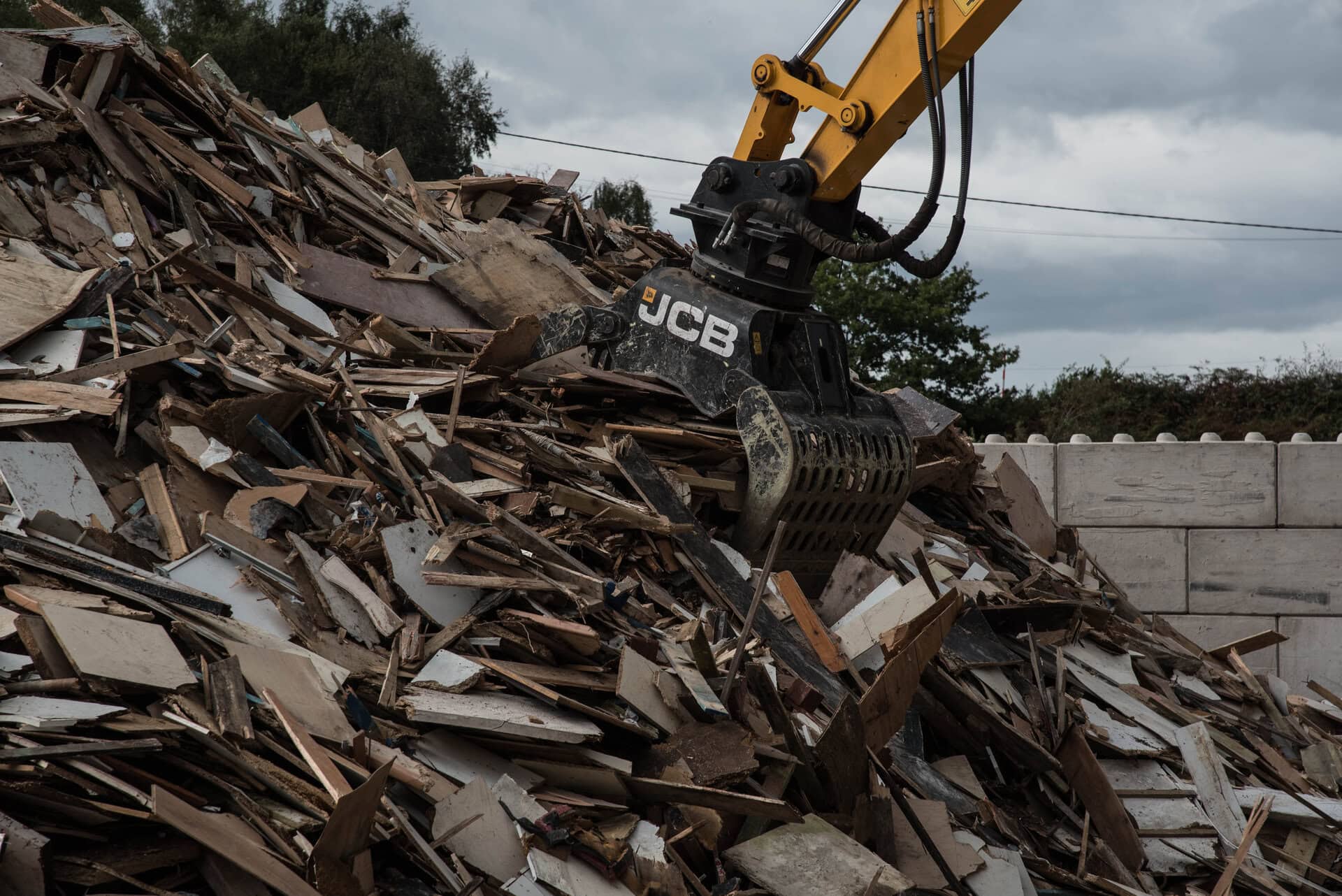
How Waste Management and Climate Change Are Intrinsically Linked
Every day, small decisions influence the health of our planet — including how we handle waste. The way we dispose of rubbish impacts far more than just our local environment. Poor waste management contributes to air pollution, soil degradation, and — most critically — global climate change. From methane released by landfill sites to carbon emissions from incineration and transport, every part of the waste cycle affects our atmosphere.
To minimise your environmental impact, it’s vital to send as much waste as possible to recycling or recovery facilities rather than landfill. But why is this so important? Let’s explore the connection between waste management and climate change, and how small changes in how we dispose of waste can make a big difference.
The Connection Between Waste and Greenhouse Gas Emissions
Landfill Sites and Methane Emissions
When waste ends up in landfill, it decomposes. Food waste and green waste break down quickly, while plastics can take hundreds of years to degrade. During decomposition, gases like methane (CH4) and carbon dioxide (CO2) are released into the atmosphere. Landfill sites are among the largest sources of methane in the UK — methane accounts for about 50% of landfill gas and is over 25 times more potent than CO2 as a greenhouse gas.
The United Nations has identified reducing methane emissions as one of the fastest and most effective ways to slow global warming. By recycling and composting organic waste instead of sending it to landfill, we can drastically reduce methane output.
Incineration and Carbon Dioxide
Waste that doesn’t go to landfill is often burned. Incineration produces between 0.7–1.7 tonnes of CO₂ per tonne of waste burned, adding directly to atmospheric carbon levels. Since the Industrial Revolution, atmospheric CO₂ has risen by more than 50%, driving dramatic changes in global temperatures and weather patterns. Even when used for energy recovery, incineration remains a significant contributor to greenhouse gas emissions.
Transportation Emissions
Waste management doesn’t stop at disposal — transporting waste also contributes to climate change. Diesel-powered refuse and collection vehicles emit CO₂ and nitrogen oxides daily. The further waste must travel to reach a landfill or incineration site, the higher its carbon footprint. Choosing local recycling and waste collection partners helps reduce these emissions and supports more sustainable communities.
Strategies for Reducing Waste-Related Emissions
Effective waste management is one of the most powerful tools for fighting climate change. Both businesses and households can play a part in reducing waste-related emissions by improving disposal practices and supporting circular economy principles.
Recycling and Composting
Recycling keeps valuable materials like metal, plastic, and glass in circulation, reducing the demand for raw material extraction and manufacturing — processes that produce enormous carbon emissions. By separating your waste into recyclables and general waste, you help divert tonnes of waste away from landfill every year.
Composting is another highly effective way to reduce methane. Food waste and garden waste can be composted at home or through green waste centres, turning organic matter into nutrient-rich soil instead of harmful gases.
Energy Recovery
Modern waste-to-energy technologies can capture methane from landfill sites or use controlled incineration to generate electricity. While this isn’t a perfect solution, it helps offset fossil fuel dependency and ensures waste is used productively rather than left to emit greenhouse gases.
Sustainable Living Practices
Reducing waste at the source is just as important as managing it responsibly. Avoid single-use plastics, buy products made from recycled materials, and reuse wherever possible. Plan your shopping to reduce food waste and always think about packaging before purchasing.
By following the “reduce, reuse, recycle” hierarchy, every individual and business can help curb emissions and protect the planet for future generations.
The Waste Group’s Role in Combating Climate Change
At The Waste Group, sustainability is at the heart of what we do. We help businesses and households across Dorset and the South West manage their waste responsibly while reducing environmental impact.
Our services include responsible tipping facilities, eco-friendly commercial wheelie bin collection, and efficient skip hire for domestic and commercial clients. Every tonne of waste we divert from landfill brings us one step closer to a cleaner, greener future.
Ready to make a difference? Get in touch today to learn more about our sustainable waste management solutions or to request a quote for your home or business.
Frequently Asked Questions About Waste Management and Climate Change
How does waste management affect climate change?
Poor waste management contributes to greenhouse gas emissions through landfill methane, incineration CO₂, and transportation emissions. Recycling and composting significantly reduce this impact.
Why is methane from landfill so harmful?
Methane is over 25 times more potent than carbon dioxide in trapping heat in the atmosphere, making it one of the leading drivers of global warming.
How can recycling help reduce emissions?
Recycling saves energy by reducing the need for raw material extraction and manufacturing, which are major sources of CO₂ emissions worldwide.
What are the best ways to reduce waste at home?
Reduce single-use plastics, reuse items where possible, compost food waste, and recycle materials through local collection or tipping facilities.
What is The Waste Group doing to support climate action?
The Waste Group provides sustainable waste management services — including recycling, tipping, and commercial bin collections — to reduce landfill use and lower emissions across the UK.